這是你發表的第一篇文章。按一下「編輯」連結即可修改或刪除文章,或是開始撰寫新文章。你可以利用這篇文章告訴讀者這個網誌的建立原因,以及網誌的未來計畫。

這是文章摘要。
這是你發表的第一篇文章。按一下「編輯」連結即可修改或刪除文章,或是開始撰寫新文章。你可以利用這篇文章告訴讀者這個網誌的建立原因,以及網誌的未來計畫。
近年來,美中關稅戰彷彿成為全球經濟版圖中的定時炸彈。作為一個在美生活、同時有國際商務與公共政策背景的觀察者,我常常在新聞之外,更關注政策背後的人性與結構性張力。
我們無法否認,美國對中國課徵關稅的本意,是為了回應中國在技術轉移、補貼政策與市場開放上的長期不對等。某種程度上,這是一場遲來的反擊,也是一種想重新定義「公平貿易」的方式。
在我看來,關稅戰反映的是一種「焦慮型的戰略選擇」。美國試圖透過經濟槓桿維持全球影響力,而中國則一邊低調布局,一邊試圖將自己定位為「全球化的新推手」。兩國都明白,供應鏈早已交織成難以分割的網絡,一方強硬,只會讓另一方尋求繞道。關稅不但提高了企業成本,也最終轉嫁到消費者身上,尤其是在通膨本就高漲的今日,美國中產階級其實是默默承擔最多代價的一群人。
我更在意的是:這場爭端如何重塑我們對「全球化」的理解。
我們曾以為全球化是無止境地開放市場、促進競爭、提升效率。但現在,我們開始意識到,如果缺乏制度對齊與共同價值,開放可能只是脆弱與依賴的代名詞。
身為一位來自台灣、熟悉東亞文化與美國制度的跨文化觀察者,我無法不擔心——在兩大強權相爭的縫隙中,那些依賴出口的中小經濟體會不會成為被擠壓的無聲者?那些在國際市場中拼搏的企業,是否又要被迫站隊、割捨長年建立的夥伴關係?
這不是一場純粹的數字戰,也不只是貿易赤字的爭執。這是一次對未來經濟秩序的角力,一場關於「誰能訂定規則、誰被迫接受規則」的博弈。
貿易政策沒有理想的答案,但我盼望的是,決策者在思考戰略時,能多一分系統性的思考,也多一點對基層民生的同理心。
那天下午,我在佛羅倫斯攀登聖母百花大教堂布魯內萊斯基穹頂
全程463級階梯,一路蜿蜒、狹窄,有時需要側身通過。氣喘吁吁中,我經過濕壁畫-瓦薩里喬的《最後的審判》,這個呼應但丁《神曲》的曠世巨作;那些巨大的天使與墮落者就在頭頂,彷彿審視著每一個路過的靈魂。站在那裡,我忽然更強烈地想念媽媽。如果她還在,或許我會傳訊息告訴她我爬到頂了,她一定會為我驕傲,會問我有沒有吃午餐再登頂、有沒有曬傷。那一刻,我的眼眶濕了。在這麼宏偉、永恆的空間裡,我也好像更靠近在天家的她一點。
越接近穹頂,心跳不斷加快;不只是因為沿途缺乏睡眠的疲憊,更是對神一種敬畏。當我終於踏上穹頂之巔,整個翡冷翠在我腳下展開,紅瓦屋頂連成一片,阿諾河波光粼粼,遠方托斯卡尼山丘靜靜圍繞。我想著幾百年前的,那些文藝復興時期的工匠與建築師,想到神是如何令人敬畏,令瓦薩里喬創作出這樣震撼人心的作品。……
查看更多


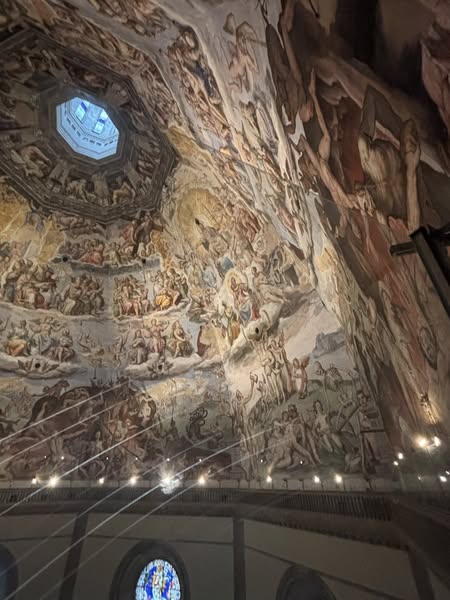
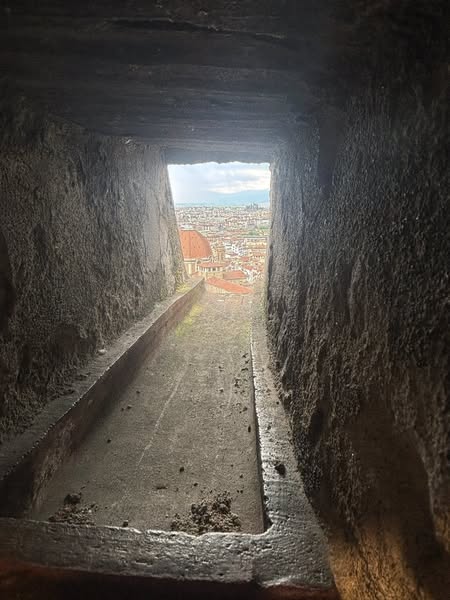
所有心情:
16Yuhuang Lee、Amy Fungyuan Wu Shaw和其他14人
這幾天我沒有特別追蹤新聞。
但當我滑過教宗離世的畫面,莊嚴的聖堂、四面環繞著靜默的人群,我心裡忽然寂靜了起來,像是世界暫時把它的喧囂收起。
我並不是天主教徒,我是改革宗信徒背景
對教宗這個角色也談不上熟悉或強烈認同,
但不知怎麼地,看到他離去的消息,我的心底竟湧上了一種說不出的敬意與——一點點遺憾。
不是對他個人,而是對這個世界的信仰感。
有時候我會覺得,這個時代太快了,
我們太習慣用語言包裝一切,用立場劃清界線,
但在那一刻,我只覺得:
「這是另一個把一生獻給神的人,悄悄結束了他的旅程。」
無論他曾做出怎樣的選擇、曾說過什麼樣的話,
他那一生畢竟是走在某條靈性的路上,
是每天在群眾與孤獨之間,向著神前行的生命。
我想起自己——
也曾熱情、也曾懷疑、也曾在群體中找方向,
如今慢慢學會低聲、慢步,甚至學會沉默。
教宗的死亡又再度提醒我,
人終究會歸於寂靜,
而在那寂靜中,
只有我們與神之間真正發生過的對話,會留下來。
Jennifer(Cheng-Chen) Lee Simmons
Taiwan Semiconductor Manufacturing Company (TSMC) is a Taiwanese multinational semiconductor manufacturing and design company located in Hsinchu Science Park, Taiwan. TSMC is the world’s largest semiconductor manufacturer. The Taiwan Industrial Technology Research Institute (ITRI)
Electronics Research and Service Organization (ERSO) launched a new R&D project to start focusing on Very Large-Scale Integration (VLSI) next generation semiconductor technology. ITRI started building a VLSI model factory as the R&D project was ramping up. The factory was finished in 1986 and Morris
Chang was hired to make the VLSI project a “billion-dollar VLSI plan" and a “pure foundry" and founded
TSMC as a joint venture between Taiwan Government (49%), Philips (27%), and private investors (24%). TSMC continued to grow and had multiple fabless customers from around the world including industry leaders like Nvidia, Qualcomm, Broadcom, and Intel.
Huawei Technologies Co. is a Chinese multinational technology corporation located in Shenzhen, China. Huawei is one of the leading designers and manufactures of telecommunications equipment,consumer electronics, and smart phones. After serving as the deputy director of the People’s Liberation
Army Engineering Corps, Ren Zhengfie founded Huawei in 1987 as a limited corporation with only 14 employees and five investors. Huawei continued to grow as it started investing more in R&D and building more advanced telecommunication infrastructures such as FMC, IMS, WiMAX, and IPTV. As
Huawei continued to grow, they began to internationalize in the 2000s and even started designing equipment with international standards. 2
Both the national governments supported the growth of TSMC and Huawei. The Taiwanese government constructed a VLSI factory in Hsinchu Science Park, contributed research and human capital from ITRI, and provided 49% join venture funding for TSMC. The Chinese government did not initially
help Huawei start, but did significantly help the growth of Huawei by initiating policies for limiting foreign imports for telecommunication infrastructure, providing grants for R&D, subsidized real estate, and large state-sponsored loans.
The CEOs of both TSMC and Huawei also played large roles in the growth of both companies.
Chang’s vision and strategy for TSMC to be a place of “pure foundry” pushed TSMC to success even greater than what Taiwan thought possible. Ren’s leadership and drive pushed Huawei to become a top provider of technology both domestically in China and internationally.
The growth of TSMC and Huawei also impacted the growth of Taiwan and Shenzhen. Taiwan was initially a country that provided assembling of household goods. The investments into Hsinchu Science Park helped Taiwan grow to be a leading producer of integrated circuits, semiconductors, and electronic technology. The growth of TSMC helped bring Taiwan into the global market. Shenzhen was initially asmall town and Chinese investments made Shenzhen one of the largest electronics manufactures in the world with multiple factories producing most of the worlds electronics today to include most personal computers and smart phones. The internationalization of companies in Shenzhen helped the city to grow and more companies like Huawei to thrive.
1 Shih, Willy & Wang, Jyun-Cheng. “Upgrading the Economy: Industrial Policy and Taiwan’s Semiconductor Industry", Harvard Business School (2010).
2 Zhang, YingYing & Kase, Kimio. “Huawei: A Silent Chinese Telecom Multination", IESE Business School University of Navarra: International Research Center on Organizations (2010).
3 Mcmorrow, Ryan. “Huawei a key beneficiary of China subsidies that US wants ended". Phys.ORG, AFP (2019)
第一次在word press上面註冊 是希望能記錄在美國生活的點點滴滴
 網站標題
網站標題 